Empty Chairs, Consequential Decisions: The Volunteer Crisis Threatening America's Planning Commissions
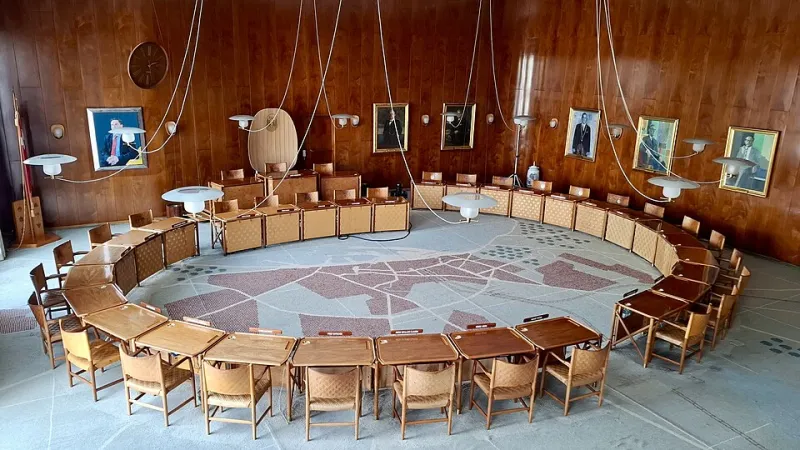
Photo: Ciara Ní Riain, CC BY-SA 4.0, via Wikimedia Commons
A Structural Problem Hiding in Plain Sight
In city after city, the same scene plays out with little fanfare. A planning commission seat opens. Staff circulate the announcement. A handful of applications trickle in—often from individuals with limited relevant experience, or from repeat volunteers who have cycled through multiple boards. Meanwhile, the architects, land use attorneys, urban designers, and neighborhood advocates who might bring the most to the table quietly decline to apply. They have seen what the job entails. They have decided it is not worth it.
This is not a story about civic apathy in the abstract. It is a story about a specific institutional failure: the systematic erosion of conditions that once made planning commission service a meaningful, professionally rewarding form of public contribution. Understanding why qualified people are walking away—and what it would take to bring them back—requires an honest reckoning with how these bodies actually function, and what they have become.
What Commissioners Are Actually Being Asked to Do
On paper, planning commission service sounds like a compelling civic opportunity. Commissioners help shape land use decisions, evaluate development proposals, interpret zoning codes, and advise elected officials on long-range planning policy. The work touches everything from neighborhood character to regional housing supply to climate resilience. For professionals in related fields, it represents a chance to apply technical expertise in a direct public context.
In practice, the experience frequently diverges from that description. Meeting schedules are often poorly managed, with sessions running well past midnight on contested applications. Agenda packets—sometimes exceeding several hundred pages—arrive days before meetings, leaving commissioners inadequate time for substantive review. Training is inconsistent, with many municipalities offering little more than a brief orientation before new members are expected to render quasi-judicial decisions with real legal and financial consequences.
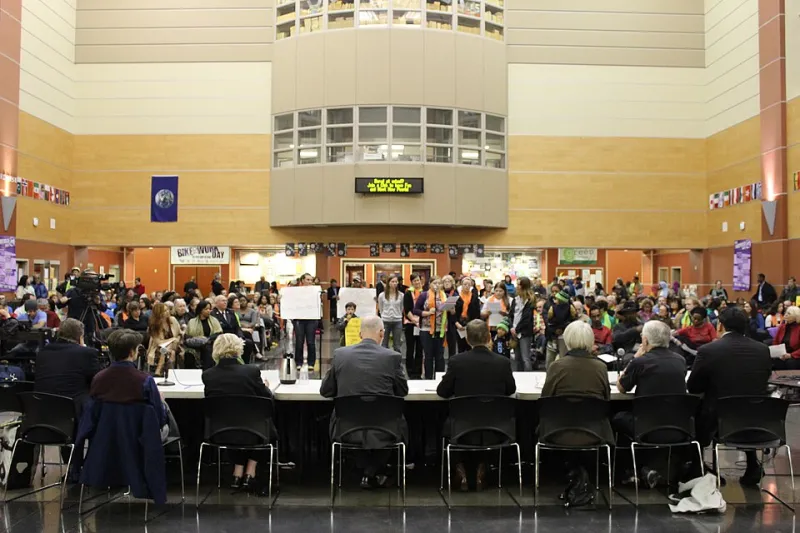
Beyond the logistical burden, commissioners increasingly find themselves absorbing a level of public hostility that would give pause to even the most seasoned professional. Community opposition campaigns—organized, persistent, and sometimes personal in their targeting—have become a routine feature of contested hearings. Social media has extended the reach of that hostility well beyond the meeting room. For volunteers offering their time without compensation, the calculus becomes difficult to justify.
The Expertise Deficit and Its Downstream Effects
When experienced professionals decline to serve, the gap does not simply go unfilled—it gets filled by others. Some municipalities have seen their commissions populated by individuals who approach the role primarily as a platform for a single issue, a neighborhood grievance, or a future political ambition. That is not a criticism of civic motivation; it is an observation about what happens when recruitment pools narrow and institutional prestige declines.
The downstream effects are significant. Commissions without deep technical grounding are more susceptible to manipulation by well-resourced applicants, less capable of identifying design or regulatory deficiencies in complex proposals, and more likely to make decisions that create legal exposure for the municipality. Planning staff—already stretched thin in many departments—find themselves compensating for commissioner knowledge gaps, which shifts the burden and subtly undermines the commission's independent advisory function.
For planning directors, this creates a difficult dynamic. The commission is supposed to serve as a deliberative body that enriches professional staff recommendations through civic scrutiny. When that body lacks the capacity to engage at that level, the relationship tilts in ways that serve neither institution well.
What Municipalities Are Getting Wrong About Recruitment
Many cities treat commission recruitment as a passive administrative function: post the vacancy, collect applications, forward them to the appointing authority. This approach made marginal sense when the role carried intrinsic prestige and the candidate pool was self-replenishing. It does not reflect current conditions.
Effective recruitment now requires active, targeted outreach—to local chapters of the American Institute of Architects, to planning school alumni networks, to neighborhood associations with a track record of substantive policy engagement, and to professionals in adjacent fields such as civil engineering, real estate development, and environmental consulting. Personal invitations from planning directors or sitting commissioners carry more weight than a generic public notice. Framing matters as well: candidates who understand from the outset what the role actually demands are better prepared and less likely to resign mid-term out of frustration.
Equally important is what municipalities communicate about the institutional culture of the commission itself. A body known for productive deliberation, respectful public hearings, and genuine policy influence will attract a different caliber of applicant than one associated with dysfunction, grandstanding, or irrelevance. Reputation is a recruitment tool, and it is built or damaged one meeting at a time.
Rebuilding the Conditions for Meaningful Service
Addressing the recruitment crisis requires more than better marketing. It requires substantive reform to the conditions of service.
Meeting management is an immediate priority. Commissions that routinely run past midnight are signaling, however unintentionally, that they do not respect volunteers' time. Agenda design, consent calendars for routine matters, and strict time management protocols can meaningfully reduce session length without sacrificing deliberative quality. Some municipalities have shifted to biweekly rather than monthly meetings to distribute workload more evenly, while others have introduced smaller working subcommittees to handle complex applications before they reach the full commission.
Training investment is equally critical. Multi-session onboarding programs, access to continuing education through organizations such as the American Planning Association, and pairing new commissioners with experienced mentors are all strategies that municipalities have deployed with measurable effect on retention and decision quality. Commissioners who feel competent are commissioners who stay.
The question of public conduct deserves direct attention as well. Municipalities have both the authority and the obligation to establish clear norms for public hearings—norms that protect commissioners from personal attacks while preserving robust community participation. That balance is achievable, but it requires deliberate policy rather than passive tolerance of whatever dynamic emerges.
Finally, elected officials who appoint commissioners bear responsibility for the health of these bodies. Appointments made primarily for political reasons, without regard to professional qualifications or demonstrated commitment to the planning process, undermine everything else. Appointing authorities that take the role seriously—that consult with planning staff, that prioritize relevant expertise, that hold commissioners accountable for attendance and preparation—create commissions that attract serious candidates.
Restoring What Was Lost
Planning commissions occupy a distinctive position in American civic life. They sit at the intersection of technical expertise and democratic participation, charged with translating community values into regulatory decisions that shape the physical environment for generations. That function is irreplaceable—and it is only as strong as the people willing to perform it.
The erosion of qualified volunteer interest in these roles is not inevitable. It is the product of specific, correctable conditions: poor meeting management, inadequate training, unmanaged public hostility, and passive recruitment practices. Cities that address these conditions systematically will find that the pool of willing, capable candidates is larger than current vacancy rates suggest.
The empty chair at the commission table is not just an administrative inconvenience. It is a symptom of institutional drift that the planning profession has both the standing and the responsibility to reverse.