The Quiet Gatekeepers: Why Zoning Interpretation Needs a Succession Plan
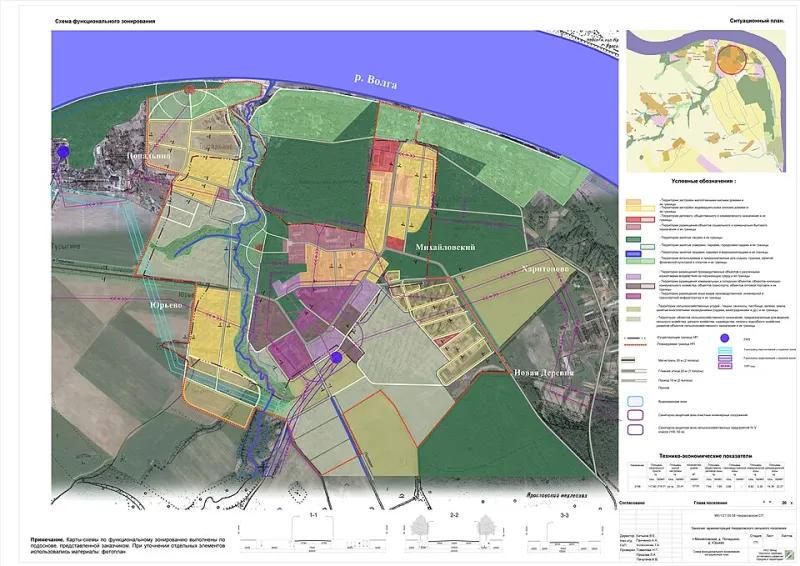
Photo: НКО «Фонд „Институт проблем устойчивого развития городов и территорий“», Public domain, via Wikimedia Commons
In many city halls, the most consequential zoning decisions are not made by the planning commission. They are made at the counter, in a staff report, or in a written determination that explains whether a garage counts as a setback, whether a home occupation is permitted, or whether a nonconforming use has been abandoned. The staff member who answers those questions is a zoning interpreter, and their influence is often invisible to the public and underestimated by management.
That influence is now at risk. In 2026, planning departments face retirements, competition for experienced staff, and increasingly complex codes. When an experienced interpreter leaves, the department does not simply lose a position. It loses a body of precedent, judgment, and local knowledge that is difficult to reconstruct from the codebook alone.
The Decision Behind the Counter
Zoning interpretation is not clerical work. It requires reading the ordinance as a whole, understanding the intent behind provisions, consulting maps and past decisions, and applying judgment to facts that rarely fit neatly into a table. A single interpretation can determine whether an accessory dwelling unit is feasible, whether a small business can open, or whether a developer must seek a variance.
Good interpreters combine technical knowledge with diplomacy. They explain why a proposal does not meet a standard without humiliating the applicant. They know when to escalate a question to legal counsel. They remember that a seemingly minor determination can set a precedent for the next hundred applications.
How Interpretive Judgment Is Acquired
Interpretive expertise is built over years. It comes from processing applications, answering counter questions, drafting staff reports, attending board of adjustment hearings, and reading state statutes and case law. It comes from site visits and from conversations with public works, fire, and legal staff. It also comes from making mistakes and learning how to correct them.
Formal training in zoning interpretation is limited. Certification programs and conference sessions help, but they do not replace the accumulated experience of applying a specific code in a specific community. That knowledge is largely tacit. It lives in the interpreter’s memory and in the relationships they have built across departments.
The Succession Risk Hiding in Plain Sight
Many planning departments have no written record of their interpretive decisions beyond individual case files. When the interpreter retires, the next staff member may interpret the same provision differently. That inconsistency can create delays, appeals, and legal exposure. It can also invite applicants to shop for a more favorable reading.
The risk is compounded by turnover in adjacent roles. A new planning director, a new city attorney, or a new building official may not know why a particular interpretation was adopted. Without a record, the department may relitigate old questions and undermine its own credibility.
Build an Interpretive Record
Departments should maintain a decision log that captures the date, code section, question presented, determination, rationale, and any precedent relied upon. Significant administrative interpretations should be published or at least shared internally. Annotated copies of the code can help staff see how provisions have been applied in practice.
Not every counter conversation needs a formal memo. But recurring questions, contested determinations, and decisions that depart from a literal reading should be documented. Staff meetings can be used to review close calls and build a shared understanding. Legal counsel should review interpretations with broader policy implications.
Transfer Judgment, Not Just Files
A succession plan for zoning interpretation should include shadowing, gradual handoff, and peer review. Junior staff should rotate through counter duty and staff report preparation while senior staff are still available. Complex applications can be reviewed by a small team rather than a single interpreter. Scenario-based training can expose staff to the kinds of questions they will face alone.
Exit interviews matter, but they are not enough. Departments should create opportunities for retiring staff to explain their reasoning, not just their conclusions. A recorded walkthrough of common code questions can be more useful than a binder of old memos.
A Core Competency, Not a Clerical Function
Zoning interpretation is regulatory infrastructure. It determines how quickly housing can be permitted, how predictably businesses can open, and how defensibly the city can act when a proposal is challenged. Treating it as a clerical function leaves the department exposed.
In 2026, cities cannot afford to lose interpretive knowledge every time a staff member leaves. The quiet gatekeepers need backup, documentation, and professional recognition. A department that invests in interpretation is not adding bureaucracy. It is protecting the predictability on which good development depends.